
Qatar Biobank study maps genetic effects on blood gene activity
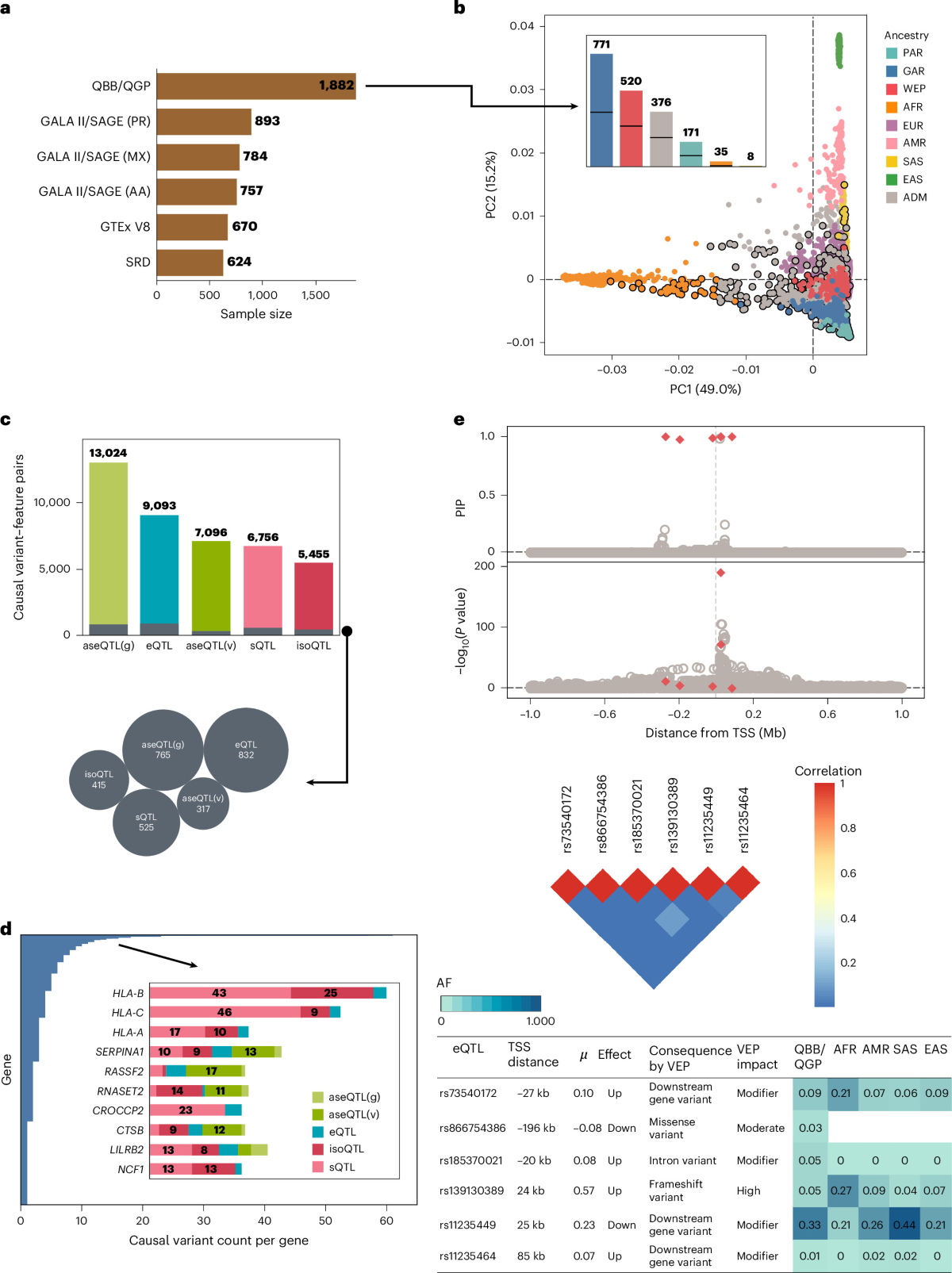
Researchers identified 7.0 million genetic variants associated with gene activity in blood from 1,882 Qatar Biobank participants. The Nature Genetics study combined measurements of RNA, the molecules produced when genes are active, with whole-genome sequencing and data on 45 clinically relevant traits. Fine-mapping, a statistical analysis used to identify variants most likely to cause an observed effect, resolved 29,953 high-confidence, independent causal loci, or genetic locations. Of these, 24% were previously unreported and 1,371 were absent from public databases. The catalog also identified 1,379 genes not previously recognized as having expression levels associated with genetic variation.
The participants came from a larger group of 6,218 largely healthy people from Qatar whose genomes and clinical traits had been characterized. After quality checks, researchers retained blood RNA data from 1,882 participants. This subset represented diverse Arab Middle Eastern ancestries and had a near-equal male-to-female ratio of 1.03.
The researchers examined how much RNA genes produced and which versions were used, including how RNA segments were joined. They also measured differences in activity between the two inherited copies of a gene. Small DNA changes and larger structural changes were associated with these measures.
Among the fine-mapped variants, some versions of DNA associated with an effect differed significantly in frequency across global populations. Earlier studies have found population differences in gene regulation, but Middle Eastern populations remain underrepresented in studies of RNA and its genetic regulation.
The study also examined autozygosity, in which people inherit matching stretches of DNA from parents who share an ancestor. Inferred causal variants were less common in stretches where both inherited copies matched, consistent with natural selection removing harmful variants. Recent autozygosity, however, increased the burden of regulatory variants present in both copies.
Researchers identified variants with recessive harmful effects on 10 Mendelian disease genes, which are associated with conditions linked to changes in individual genes. Recessive effects occur when a variant is present in both inherited copies. Variants present in both copies were also linked to extreme RNA expression in 66 genes, including some sensitive to changes in their activity levels.
To connect gene regulation with clinical traits, the team used a statistical analysis to assess whether the same causal variants could account for both associations. It identified 58 causal variants acting on 20 clinically relevant phenotypes, or measurable traits, and implicated previously unrecognized genes, including ATP6V0B and RQCD1, in metabolic and blood disorders.
The catalog provides a Middle Eastern resource for interpreting how genetic variation affects gene activity and relates to clinical traits. Its RNA measurements came from blood samples in a predominantly healthy cohort.
Written by the Genomes desk from the primary source cited and linked above and checked against it. Research use only; not medical advice. Corrections: [email protected].