
Mammalian cells retained chromosome-scale algal DNA for 95 generations
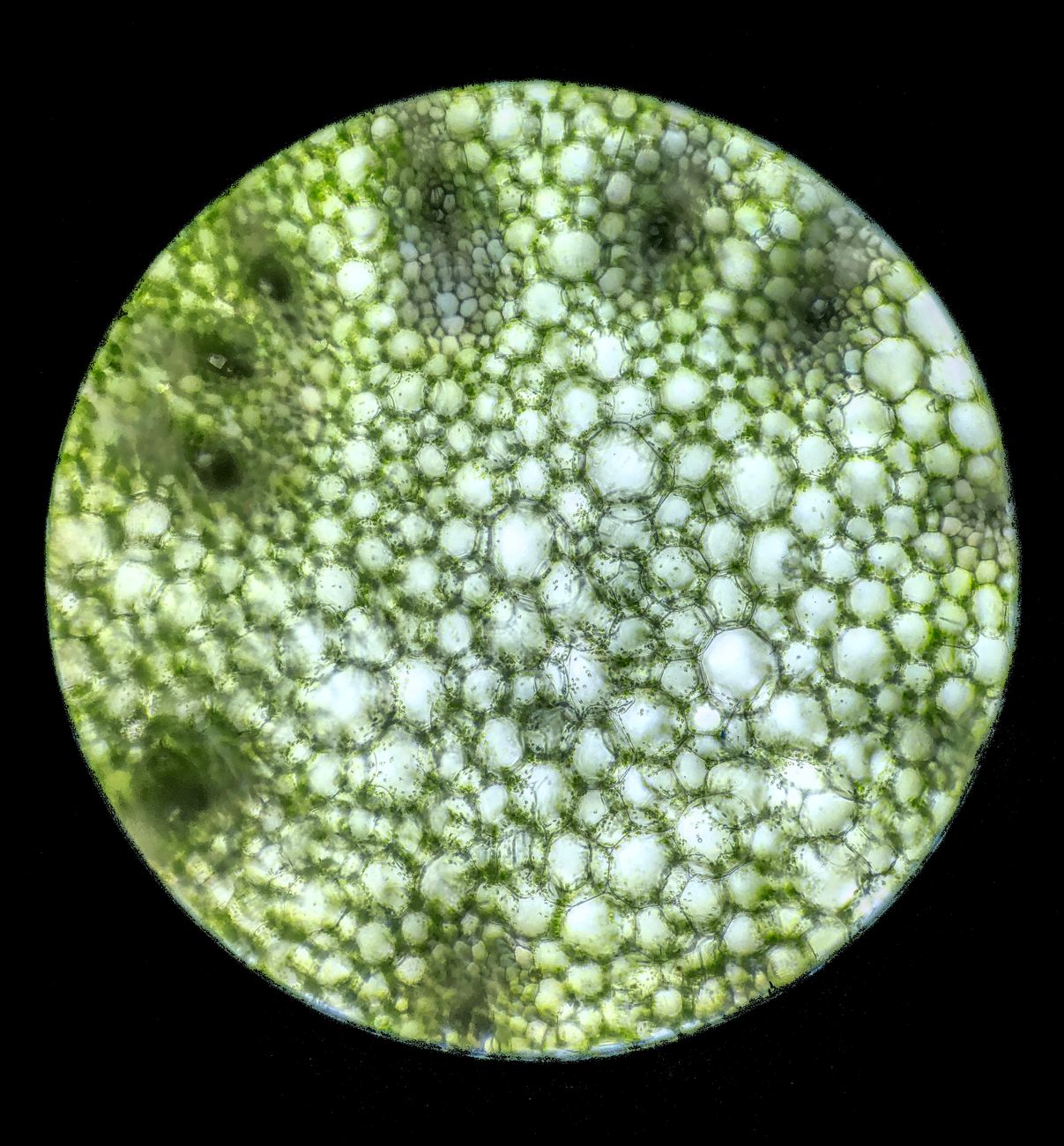
Mammalian cells retained more than 16 Mb, or million DNA building blocks, from algae for 95 generations, including intact chromosomes. They kept the material without selection, meaning the researchers did not force the cells to retain it. Aoki and colleagues linked this stable retention to methylation, a process that adds chemical marks to DNA.
The experiments demonstrated horizontal gene transfer: genetic material moving between organisms rather than passing from parent to offspring. Well-substantiated cases are largely confined to prokaryotes, organisms whose cells lack nuclei. Transfer between eukaryotes, whose cells contain nuclei, remains exceptionally rare. The authors said direct demonstrations at genome scale had been absent.
The researchers drew inspiration from endosymbiosis, in which one cell lives inside another. They showed that mammalian cells could initiate transfer by engulfing intact algal cells, although this happened at a much lower frequency than transfer through cell fusion. After fusing algal and mammalian cells, the team used live-cell imaging to capture the early appearance of algal DNA inside mammalian nuclei.
Genome sequencing and chromosome analysis revealed how the transferred material was retained. The algal DNA formed structures linked to telomeres, the ends of chromosomes. Over time, the transferred DNA gained more methylation marks. The researchers also found an enrichment of chemical modifications associated with switching genes off on histones, the proteins that package DNA. Together, these changes formed tightly packed regions of DNA called heterochromatin. These regions physically associated with the mammalian chromosomes.
To examine methylation's role, the team studied mammalian cells deficient in an enzyme that adds new methylation marks to DNA. In those cells, the transferred algal material was less able to become stably established and remain in place. That result supports a role for methylation in helping mammalian cells accommodate large amounts of foreign DNA from distantly related organisms. The authors describe it as a gatekeeping role: the chemical marking of DNA contributes to whether transferred genetic material can remain stably within its new host.
The experiments provide direct evidence of genome-scale DNA transfer between distantly related organisms with nuclei, and identify chemical changes that help mammalian cells retain the foreign material.
Written by the Genomes desk from the primary source cited and linked above and checked against it. Research use only; not medical advice. Corrections: [email protected].