
Genetics and pathology groups set lab standard for prenatal cfDNA screening
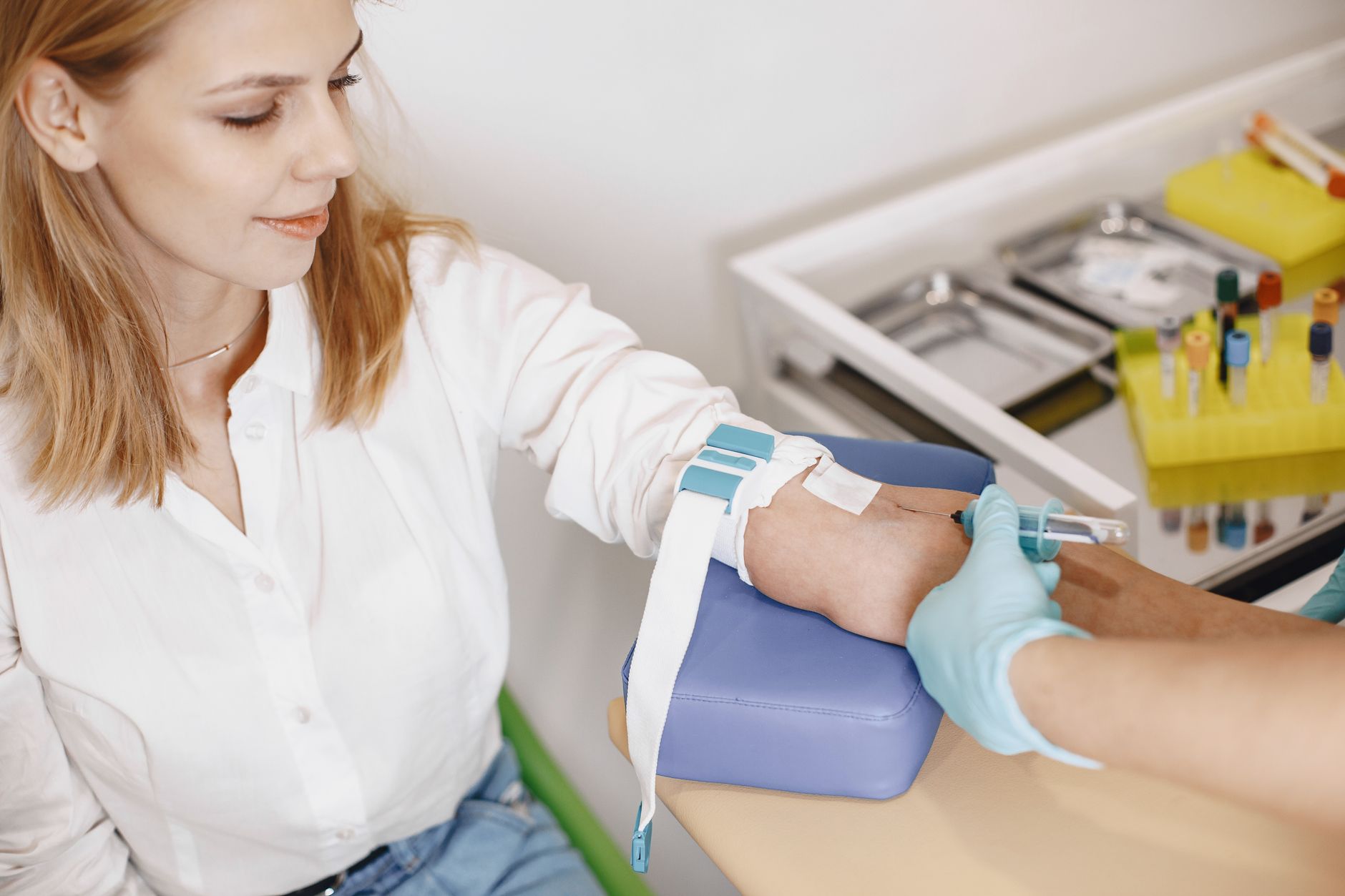
The American College of Medical Genetics and Genomics (ACMG) and the College of American Pathologists (CAP) have issued a new technical standard for laboratories that screen pregnant people's blood for fetal chromosome abnormalities. Published in 2026, it covers prenatal cell-free DNA (cfDNA) screening. The test looks at loose fragments of DNA in maternal plasma, the liquid part of the blood. A joint work group wrote the standard because labs face challenges when they validate the test and put it into use. Its authors, among them Hilton BA and Shetty S, worked with the ACMG Laboratory Quality Assurance Committee. The document is meant to help clinical laboratories with validation methods and with ongoing monitoring of the test's quality and performance. It also sets out how results should be interpreted and reported.
ACMG, the American College of Obstetricians and Gynecologists and the Society for Maternal-Fetal Medicine recommend that cfDNA screening be offered to all pregnant persons as a first-tier option, regardless of their risk status. The standard gives the reason: for common fetal aneuploidies, cfDNA screening is the most sensitive and specific screening test available. Sensitivity is how well a test catches true cases. Specificity is how well it avoids flagging cases that are not there. An aneuploidy is an extra or missing chromosome.
The fetal cfDNA in the mother's circulation comes from trophoblasts, which are cells of the placenta. Analyzing it lets labs identify fetuses at increased risk for trisomies 13, 18 and 21, in which cells carry three copies of a chromosome instead of the usual two. The screen can also identify increased risk of aneuploidy of the sex chromosomes, X and Y. It can do the same for recurrent segmental aneuploidies associated with syndromes, where pieces of chromosomes are extra or missing.
Labs can analyze cfDNA in more than one way. Because the screening is complex, the authors write, the standard aims to promote uniform laboratory practices. It deals with the technical side of prenatal cfDNA screening for chromosome abnormalities in maternal plasma.
Three medical groups recommend offering cfDNA screening to all pregnant persons regardless of risk, and labs run it using more than one analysis technique. The standard is meant to make lab practice uniform, from how the test is validated to how its results are reported.
Written by the Genomes desk from the primary source cited and linked above and checked against it. Research use only; not medical advice. Corrections: [email protected].